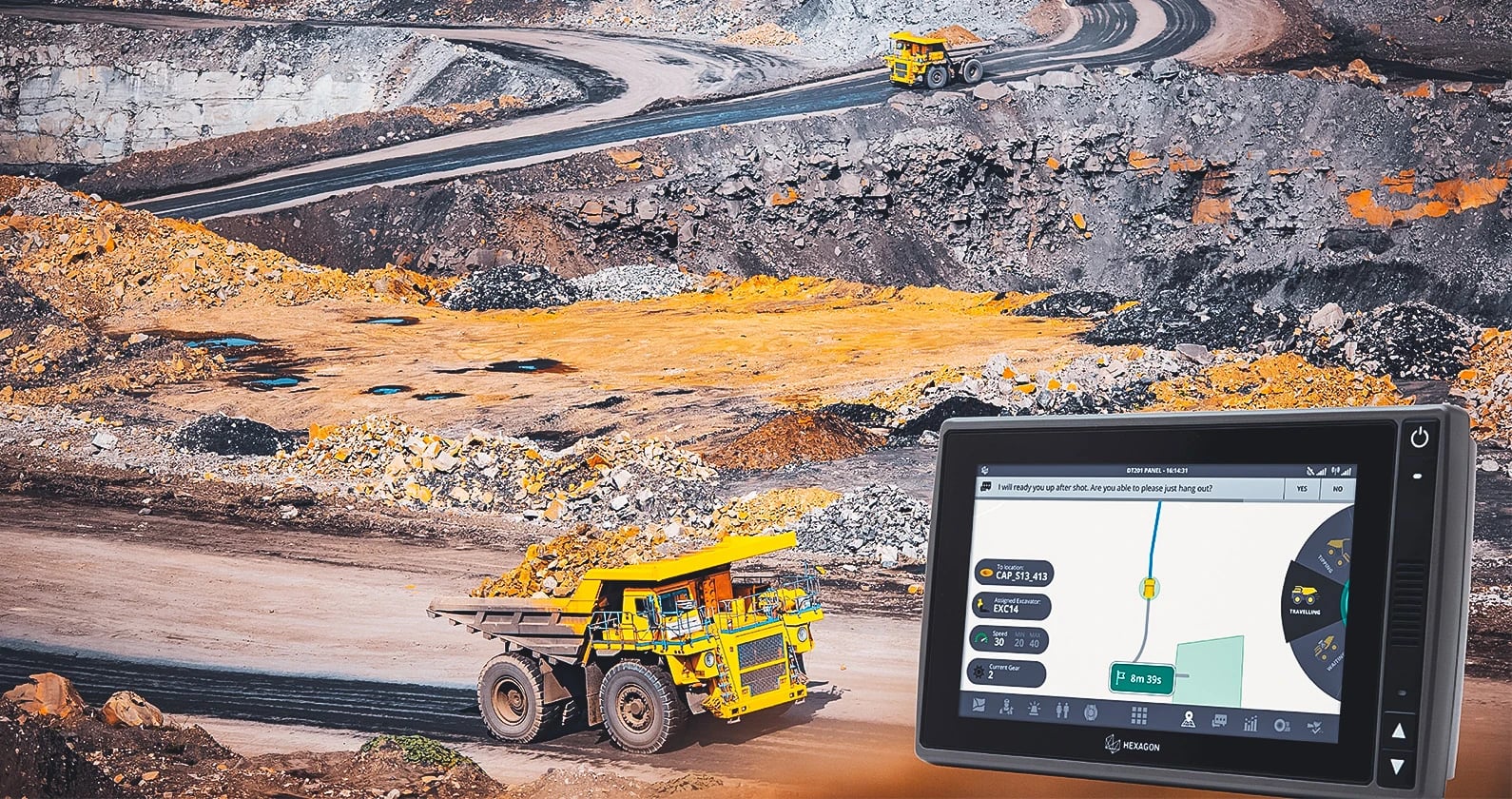
Mining Fleet Management System Specifications
The figures below describe typical industry specifications for this class of equipment rather than a single fixed model. Use them to scope a requirement, then confirm exact figures against the supplied unit before purchase.
| Specification | Typical value |
|---|---|
| Positioning | GNSS with 2–5 m accuracy; RTK where cm precision is needed |
| Update interval | 10–60 seconds while moving |
| Connectivity | GSM/LTE with store-and-forward through coverage gaps |
| Engine data | CAN bus J1939: hours, load, fault codes, idle time |
| Fuel monitoring | Capacitive level probe or flow meter, ±2–3% |
| Payload measurement | Suspension pressure or strut-based, ±3–5% |
| Operator identification | RFID card or PIN entry |
| Speed and safety | Overspeed, harsh braking and geofence alerts |
| Power | 12/24 V vehicle supply with internal backup battery |
| Ingress protection | IP67 for in-cab and chassis-mounted units |
| Reporting | Utilisation, availability, cycle time, fuel per tonne |
| Offline behaviour | Local logging with automatic upload on reconnection |
Mining Fleet Management System: Uses and Applications
- Haul cycle time and productivity measurement
- Fuel consumption monitoring and theft detection
- Equipment utilisation and availability reporting
- Geofencing licence boundaries and restricted areas
- Maintenance scheduling from actual engine hours
Maintenance Schedule
Most premature failures in this equipment class trace back to a missed routine check rather than a design fault. The intervals below are a practical starting schedule; adjust them to your duty cycle and the manufacturer manual.
| Interval | Task |
|---|---|
| Weekly | Check all units are reporting; a silent unit is either a hardware failure or a deliberate disconnection, and both need investigation. |
| Monthly | Verify fuel sensor readings against physical dips or refuelling records; recalibrate on drift. |
| Quarterly | Inspect harnesses and connectors for vibration damage; confirm tamper seals are intact. |
| Annually | Payload system recalibration against a weighbridge; review geofence boundaries against current licence areas. |
Frequently Asked Questions
Will a fleet management system work where there is no mobile coverage?
Yes, if it is specified correctly. Units should log locally and upload automatically when they return to coverage, which on most sites happens each time a vehicle passes the workshop or camp. Systems requiring continuous connectivity are unsuitable for remote Tanzanian operations.
How accurate is fuel monitoring?
Capacitive level probes typically achieve ±2–3% once calibrated to the specific tank shape. That is comfortably accurate enough to detect siphoning, which usually shows as a step change in level while the engine is off, a pattern that is unmistakable on a chart.
Does payload monitoring justify its cost on a small fleet?
Often yes, because it reveals chronic underloading. Trucks running consistently at 80% of the intended payload require 25% more trips to move the same tonnes than trucks carrying 100%; the fuel and tyre effect depends on route and operation. That is usually a larger recoverable loss than the sensor cost, and it is invisible without measurement.
What is the most common cause of these systems being abandoned?
Nobody reads the reports. The technology rarely fails; the management routine does. Systems succeed where a named person reviews exceptions on a fixed schedule and acts on them, and fail where the data accumulates unread.
Supply and Delivery Across Tanzania
Bart Mining supplies mining fleet management system and related equipment to mining operations throughout Tanzania, with primary coverage of the Lake Victoria Goldfields (Mwanza, Kahama, Geita, Shinyanga and Bukombe), alongside the Lupa Goldfields around Chunya and Mbeya, and delivery nationwide from Dar es Salaam.
Manufacturer or supplier of this equipment? Bart Mining sells machinery like the mining fleet management system to buyers across Tanzania through its local market partnership.